NGC 2440
✩
NGC 2440 ✩
SHADOW SELF
This image struck the artist as it embodied the fierce energy revealed when one delves deeply into shadow work, discovering that inner darkness is not something to be feared but necessary for the light to shine. It is in this union of shadow and illumination that we can fully embrace ourselves, much like the Rosette Nebula, where powerful stellar forces give birth to new light from within dense cosmic clouds.
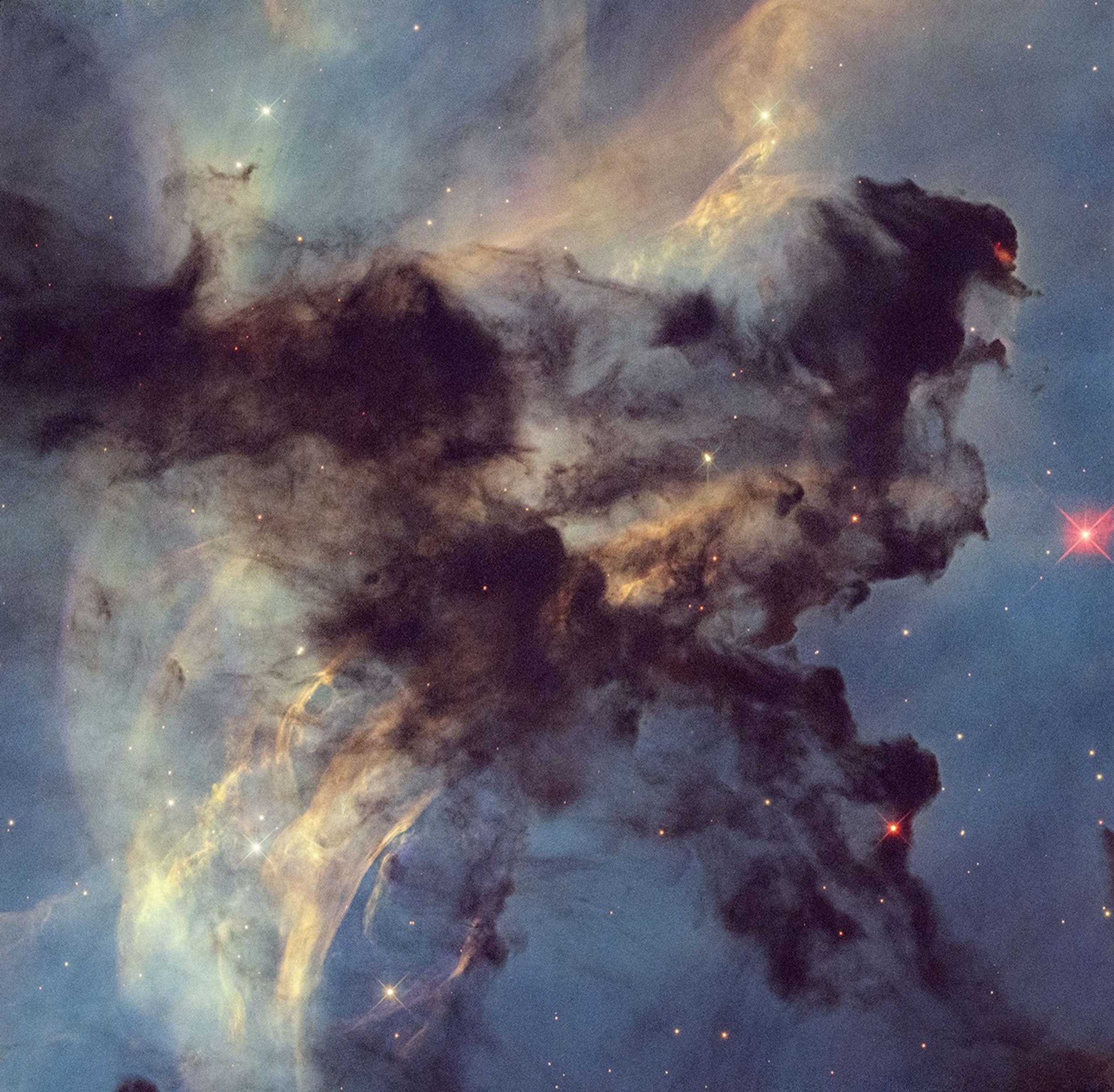
SHADOW SELF $1,250.00 Acrylic on canvas 24 × 24 x 1.5 in. (30.5 × 30.5 × 3.8 cm)
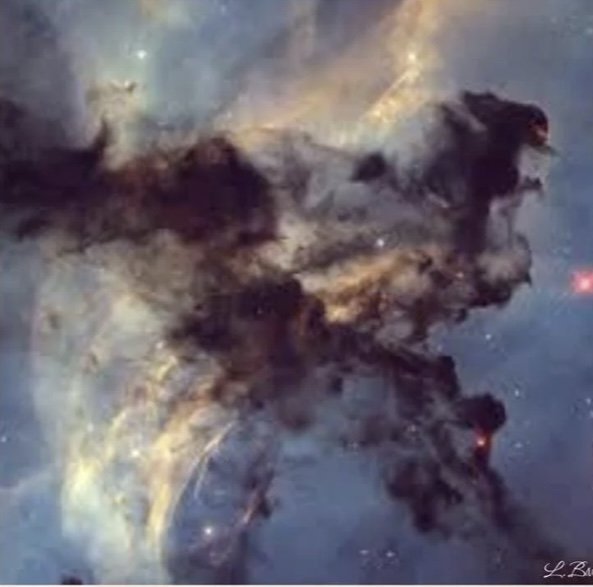
NASA James Webb Space Telescope This painting of NGC 2440, a small portion of the Rosetta Nebula inspired from NASA's Hubble Space Telescope image is laced with dark clouds of hydrogen silhouetted across it.
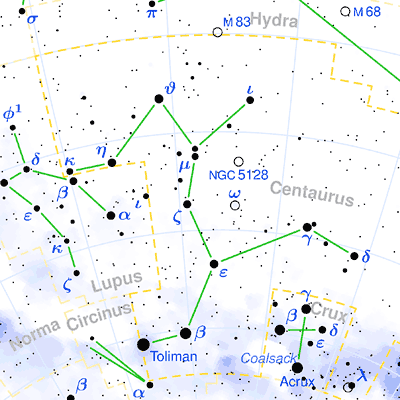
Centaurus is one of the 48 constellations first identified by the second century Greek astronomer Ptolemy. It represents a centaur, a half man half horse creature from Greek mythology. It is an old constellation that dates back to the ancient Babylonians. They knew it as the Bison-man. It was depicted as a four-legged bison with the head of a man. The ancient Greeks identified it as a centaur, but it is not clear exactly which centaur it represents. It may represent Chiron who was accidentally wounded by Hercules. After his death, Hercules honored him by giving him a place in the stars. Under a dark sky, the outline of the constellation does indeed resemble a centaur. It is usually depicted as a centaur sacrificing an animal which is represented by the constellation Lupus, the wolf.
Cosmic Location: Monoceros Constellation
Celestial Phenomenon: NCG 2440
Collection: 88 Constellations